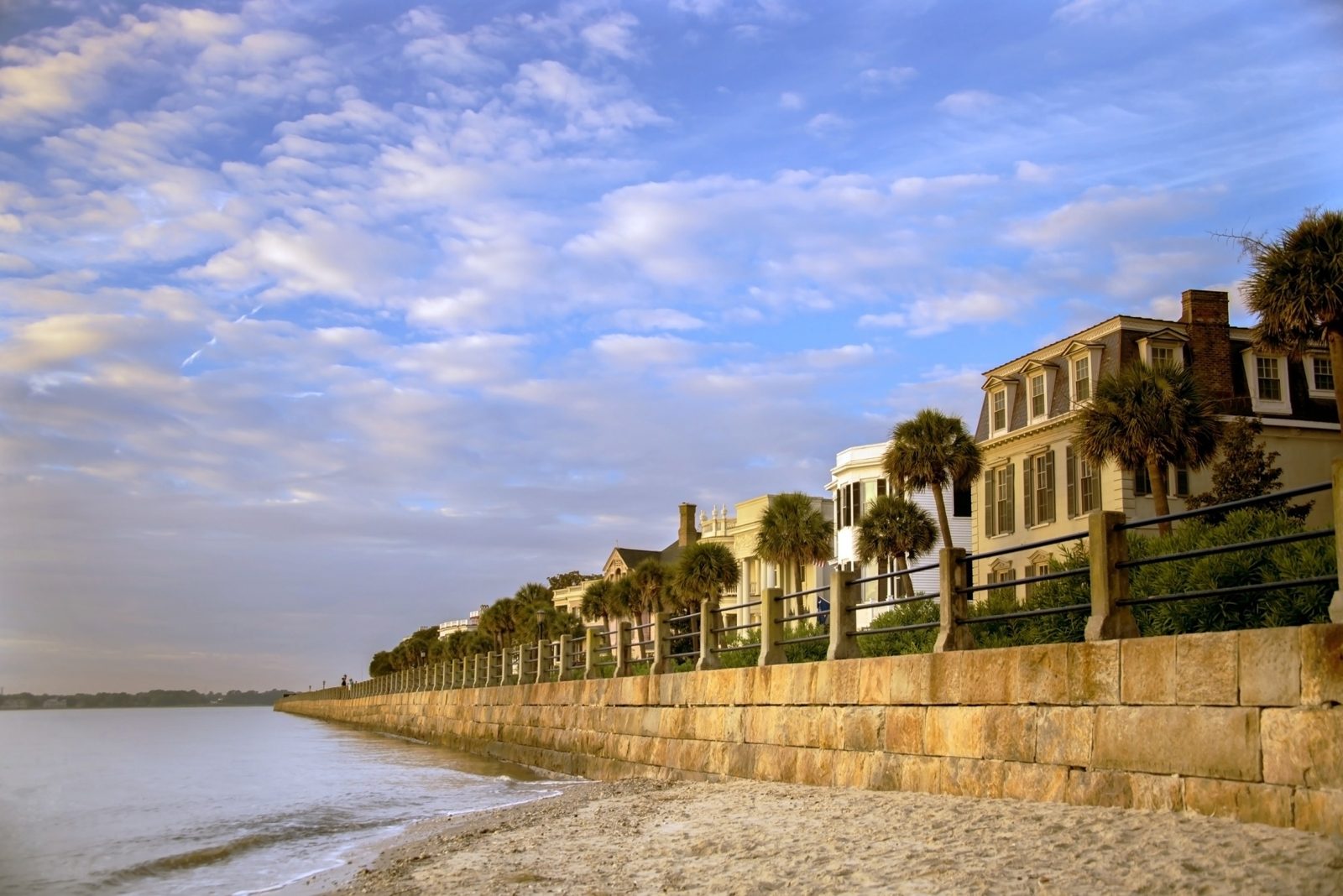
A property guide, not a neighborhood ranking
Downtown Charleston is not one ownership experience. A historic detached house and an attached condo involve different records, approvals, maintenance obligations, insurance questions, parking arrangements, and shared costs. Compare those paths before comparing finishes. The two questions that most often change a downtown purchase are what the Board of Architectural Review allows and how the address floods.
Board of Architectural Review (BAR)
Established in 1931, the BAR oversees work visible from the public right-of-way in historic districts and on Landmark Overlay structures. It also handles demolition of buildings 50 or more years old south of Mount Pleasant Street, and every demolition in the Old and Historic District.
Flood letter and elevation certificate
The City issues Flood Hazard Information Letters, and you can request one or an elevation certificate at [email protected]. AE and VE are high-risk zones, and about 25 percent of flood claims come from lower-risk zones.
Short-term rentals need a permit
Permits are required and renewed annually, and the City assigns categories by location and building type. Check the address in the City’s category tools before assuming rental use.
Water and sewer
Charleston Water System is the municipal water and sewer utility for Charleston.
Historic house and condo ownership need different reviews
| Start with | Historic or detached house | Condo or attached property |
|---|---|---|
| Physical condition | Structure, roof, drainage, mechanical systems, prior repairs, additions, and specialist findings. | Unit condition plus the building systems and common elements the association maintains. |
| Records and approvals | Permit history, historic-district or landmark status, and review requirements for planned work. | Association approval requirements plus any public permit or preservation review. |
| Ownership costs | Insurance, flood questions, exterior maintenance, utilities, parking, and anticipated capital work. | Insurance, regime fees, reserves, assessments, master coverage, parking rights, rental rules. |
| Seller preparation | Permits, repair history, warranties, insurance information, and documentation for property-specific features. | Declaration, bylaws, budget, financial statements, reserve information, minutes, insurance documents, assessments, and rules. |
How the Board of Architectural Review works
The BAR reviews new construction, major alterations, renovations visible from public areas, and demolitions. Minor work such as painting, repairs, and signage usually gets staff review, but confirm the scope with staff before starting. To confirm jurisdiction, use the BAR Jurisdiction Review Chart and Map or call 843-724-3765 ([email protected]). Applications go through the Customer Self Service portal. As published by the City, BAR-L meets the second Wednesday and BAR-S the second and fourth Thursdays. For a house you might renovate, ask what past approvals exist for windows, exteriors, fences, and demolition.
Flooding on the peninsula
The City says flooding comes from the Ashley, Cooper, Stono, and Wando rivers, tidal creeks, and the ocean. Areas outside mapped FEMA zones can still have local drainage or unmapped hazards, and owners can request a map change (LOMC) through FEMA. The City’s flooding page lists tools including TIDE eye, a road-closures map, a Sea Level Rise Viewer, Adopt-A-Drain, and flood maps. Before you make an offer, get the flood letter, an elevation certificate, an insurance quote, and the seller’s drainage history.
The market at a glance
CTAR reports the peninsula in two areas. These figures cover Area 51, Peninsula Charleston Inside of Crosstown. Area 52, outside the Crosstown, is reported separately and is not shown.
| Measure | What CTAR reported |
|---|---|
| Closed sales, trailing 12 months | 434 (about 36 a month; 25 in August 2026) |
| August 2026 median sold price | $1,428,500 (based on 25 sales) |
| Range of monthly median sold prices | $1,222,500 (Jul 2026) to $2,000,000 (Mar 2026) |
| Active listings | 145 in August 2026, compared with 155 in September 2025 |
| Median list price of active listings, August 2026 | $1,335,000 |
| Average days on market | 44.9 in August 2026; monthly range 35.8 to 94.3 |
| Active listings compared with typical monthly closings | about 4.0 months (EVO arithmetic from the figures above) |
Source: CTAR MLS statistics; MLS Area 51, property type residential; detached and attached sales are combined. Monthly medians move with the mix of homes that sold, so treat any single month as a signal, not a value. Not an appraisal or price opinion for any property.
CTAR’s August 2026 year-to-date local market update for broad MLS Area 51 recorded 170 detached closings with a $2.4 million median sale price, and 136 attached closings with a $922,500 median. Detached closings increased from the same 2025 period while attached closings decreased. These are broad-area figures, not the value of any block, building, or property.
Getting around
Lowcountry Rapid Transit is a planned bus rapid transit line with 20 stations over 21.3 miles from Ladson to downtown Charleston. The Federal Transit Administration’s April 2026 project profile lists a total cost of $625.1 million and revenue service in late 2030, but funding milestones in that profile were dated, so verify the current status.
Questions to answer before you choose
- Is the property inside a BAR-reviewed district, and what has been approved before?
- What does the flood letter and elevation certificate show, and what is the insurance quote?
- What is the short-term rental category, and does the association allow rentals?
- Where will you park, and is it deeded, leased, or street parking?
- For a condo: what do the budget, reserves, and master insurance show?
Common questions
Do I need approval to change a downtown house’s exterior?
Often. The BAR reviews publicly visible alterations in historic districts, and minor work may only need staff review. Confirm the scope with BAR staff before you start.
Does being outside a flood zone mean no flood risk?
No. The City notes that about 25 percent of flood claims come from lower-risk zones, and unmapped local drainage can still be a problem.
Can I rent a downtown condo short-term?
Only if the City permit category and the association rules both allow it. Check both for the specific address.